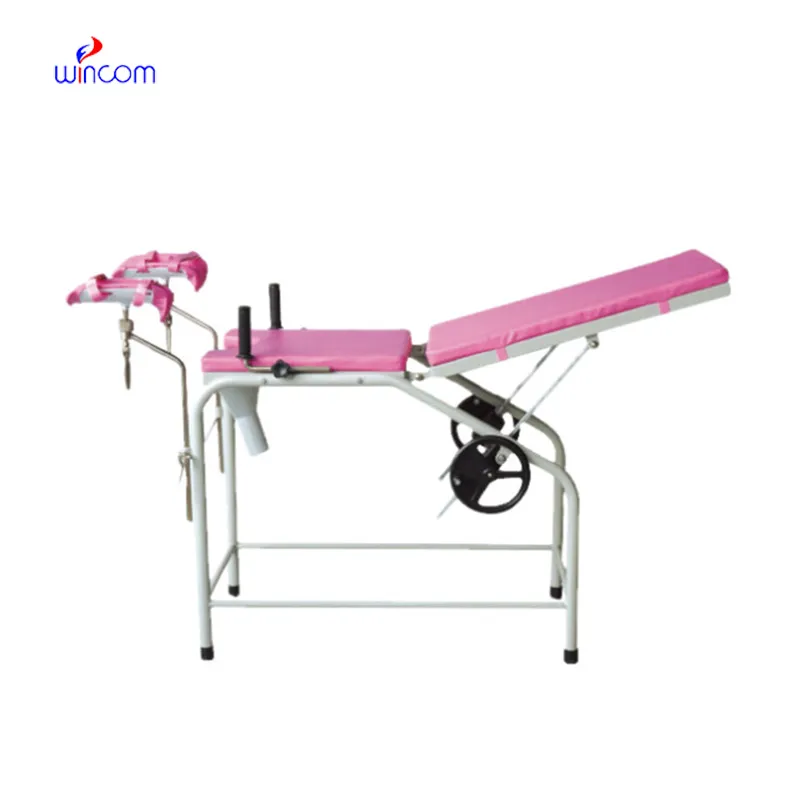
The Chair Bed features a new design that features safety, mobility, and comfort. It has advanced actuators for smooth control of motion and runs quietly not to bother patients. The uniform weight distribution of the bed platform makes it less exhausting for long-term use. Some Chair Bed models come equipped with removable head and foot panels for easy access in case of emergencies. Its compact yet effective design makes it adaptable to all medical facilities.
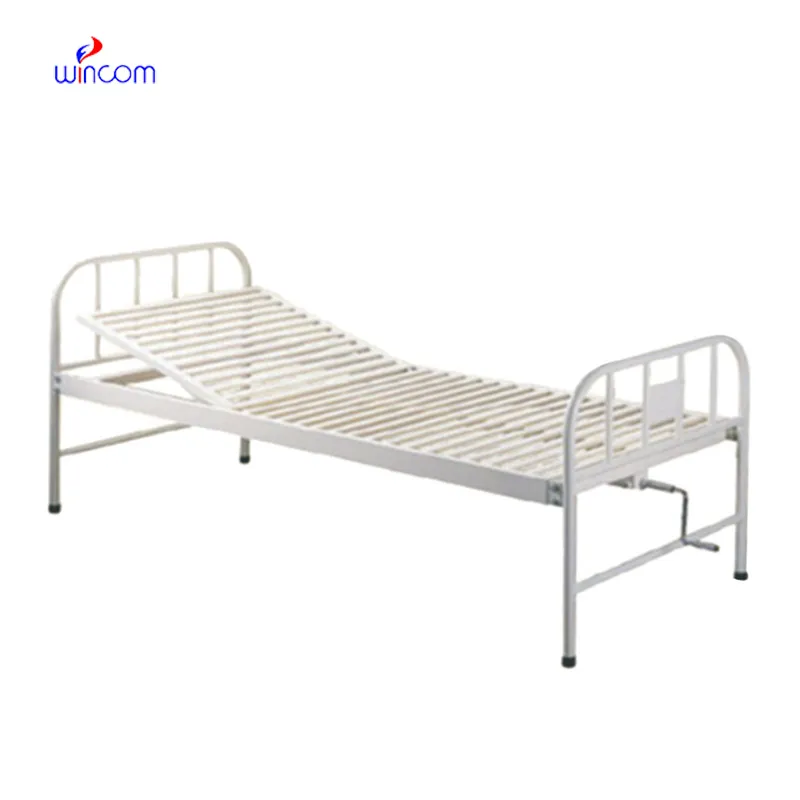
The Chair Bed can be used in numerous applications, ranging from acute care to prolonged recovery. It allows for efficient position adaptability in medical procedures, physiotherapy, and healing of wounds. The Chair Bed is especially convenient for older or immobilized patients, promoting proper posture and blood flow. It finds applications in operating recovery wards, maternity wards, and rehabilitation centers. The simplicity of changing the position makes the Chair Bed a vital component of successful and comfortable medical care.
The future Chair Bed will integrate robotics and AI to transform patient care. Beds will possess self-adjusting features that respond to patient movement, improving comfort and circulation. The Chair Bed can also possess self-cleaning surfaces and antimicrobial materials for improved hygiene. With integration into digital hospital systems, it will provide real-time data analytics, enabling staff to predict and prevent complications. These features will enhance both efficiency and patient outcomes.

Proper maintenance practices render the Chair Bed long-lasting, effective, and safe. Cross-contamination is averted through routine disinfection, while loose and damaged components are detected upon visual examination. Power and control panel should be subjected to routine testing for precision. From time to time, Chair Bed parts that move should be lubricated. Documentation of maintenance activities guarantees accountability and encourages long-term tracking in hospitals.
The Chair Bed is an important piece of equipment designed to provide comfort, security, and support for patients in the hospital. It accommodates adjustable height, head, and leg positioning to meet diverse medical needs and assist caregivers with daily care and upkeep. The Chair Bed typically includes side rails, wheels for convenient mobility, and remote controls for easy adjustment. Ergonomic design reduces pressure sore risks and supports comfort during recovery. Mostly used in hospitals, clinics, and nursing homes, the Chair Bed incorporates medical efficiency and patient experience.
Q: Why is adjustability important in a hospital bed? A: Adjustability allows patients to find comfortable positions and helps caregivers perform medical tasks more efficiently. Q: How do hospital beds help maintain hygiene? A: Smooth, easy-to-clean surfaces and disinfectant-safe materials prevent contamination and ensure cleanliness. Q: What function do casters serve in a hospital bed? A: Casters provide easy movement, allowing quick repositioning or transfer of patients within the facility. Q: How do hospital beds support patient recovery? A: By reducing pressure points and supporting posture, hospital beds promote circulation and aid faster recovery. Q: Are there different types of hospital beds? A: Yes, hospital beds come in manual, semi-electric, and fully electric models to meet diverse medical needs.
We’ve been using this mri machine for several months, and the image clarity is excellent. It’s reliable and easy for our team to operate.
The water bath performs consistently and maintains a stable temperature even during long experiments. It’s reliable and easy to operate.
To protect the privacy of our buyers, only public service email domains like Gmail, Yahoo, and MSN will be displayed. Additionally, only a limited portion of the inquiry content will be shown.
Could you please provide more information about your microscope range? I’d like to know the magnif...
Hello, I’m interested in your centrifuge models for laboratory use. Could you please send me more ...
E-mail: [email protected]
Tel: +86-731-84176622
+86-731-84136655
Address: Rm.1507,Xinsancheng Plaza. No.58, Renmin Road(E),Changsha,Hunan,China


 EN
EN
 af
af
 es
es
 ar
ar
 tr
tr
 sw
sw
 pt
pt
 th
th
 ur
ur
 bn
bn
 ne
ne
 vi
vi
 km
km
 lo
lo
 de
de
 ru
ru
 fi
fi
 nl
nl
 fa
fa
 fr
fr
 ko
ko