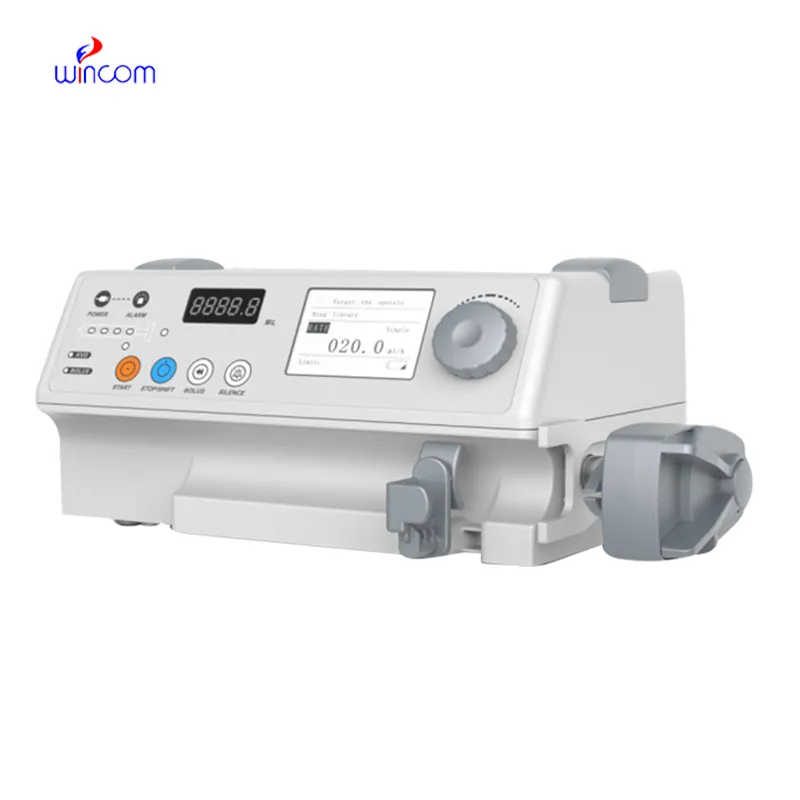
anesthesia monitoring sheet veterinary is developed to guarantee accurate physiological monitoring in hospital settings. By combining ECG tracking with vital sign measurement, it gives a complete picture of patient health. The machine is constructed to be easy to read and stable, thereby making it possible for clinical interpretation to receive data consistently. Its function is not only limited to inpatient wards but also to recovery areas and diagnostic units.
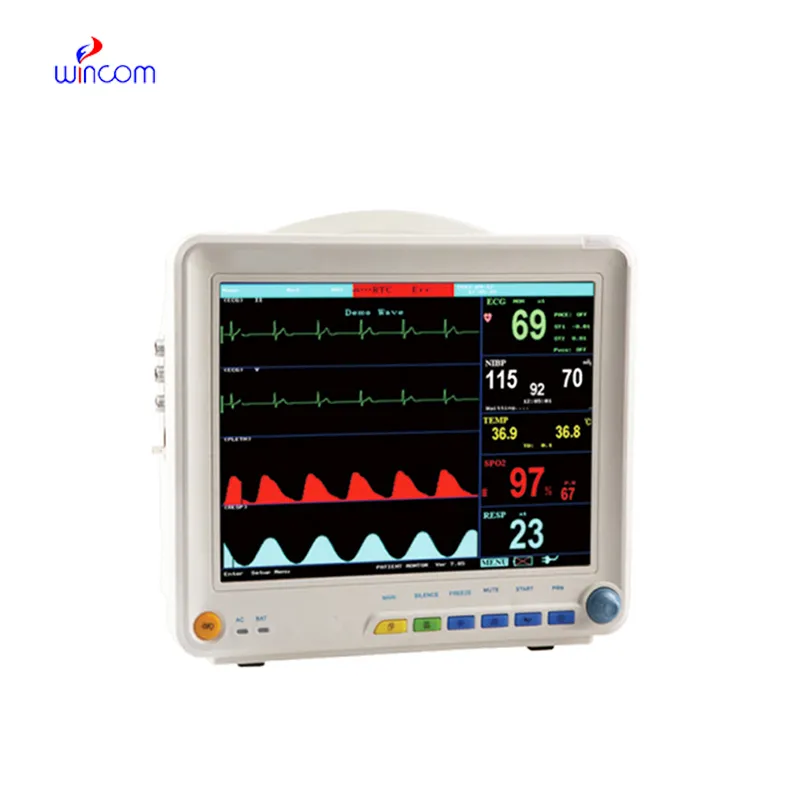
anesthesia monitoring sheet veterinary is utilized in medical training contexts to enhance the practical education of healthcare professionals. During the actual or supervised clinical situations, the trainees are shown the ECG waveforms and vital signs in real time. This use case improves the clinical comprehension and also helps with the unification of monitoring practices in hospital training programs.

With the evolution of clinical education, anesthesia monitoring sheet veterinary will be a strong support to the advanced training environments. The hospitals that teach may have future systems with various simulation modes and interactive ECG visualization. This trend will not only raise the standards of medical training but also improve the interpretation skills of the healthcare workers.
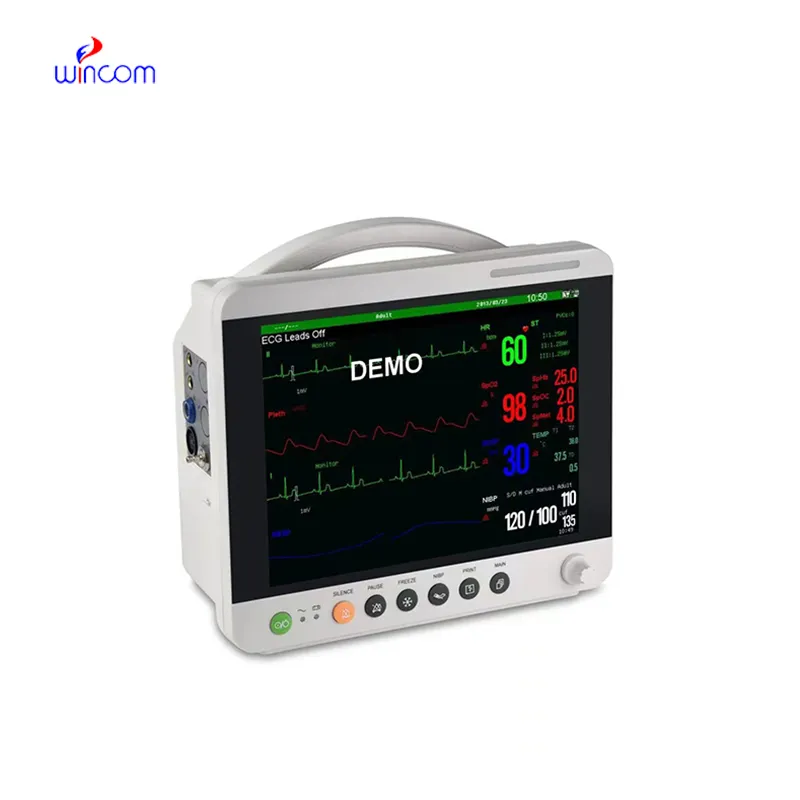
The correct handling and storage methods are vital to the durability of anesthesia monitoring sheet veterinary. Do not put the device close to water or sun, and manage the cables well to prevent any tension. The points where the sensors are attached should be looked into for corrosion or disconnection often. Carrying out periodic internal diagnostics and software checks will make sure that ECG recording and vital sign monitoring are stable. These maintenance activities will, in turn, ensure the uniform performance of the device throughout hospitals, labs, and emergency departments.
The term anesthesia monitoring sheet veterinary is often utilized in the areas where post-operative recovery takes place for the purpose of tracking the stability of patients after surgical procedures. The uninterrupted ECG monitoring helps the healthcare professionals to analyze the heart rhythm patterns during the period of anesthesia recovery. The mixture of vital signs monitoring guarantees the steady and reliable assessment of the patient's condition, thus, reducing the uncertainty in the clinic. Its use in recovery rooms makes the change from surgery to the normal care easier.
Q: How often should ECG electrodes be replaced? A: Signal detection accuracy depends on the regular replacement of electrodes. Q: Can a Patient Monitor & ECG be used in neonatal care? A: Certainly, the use of specialized sensors allows safe monitoring of newborns and infants. Q: Does a Patient Monitor & ECG provide alarm functions? A: Alarms are indeed present, with notifications sent to the staff in case of abnormal heart rates or any other vital sign changes. Q: Can it record trends over time? A: It can indeed show historical data for patient analysis and clinical evaluation. Q: Is maintenance required for a Patient Monitor & ECG? A: Long-term performance and accuracy depend on regular maintenance and cleaning which are appropriate for the equipment.
The hospital bed is well-designed and very practical. Patients find it comfortable, and nurses appreciate how simple it is to operate.
This ultrasound scanner has truly improved our workflow. The image resolution and portability make it a great addition to our clinic.
To protect the privacy of our buyers, only public service email domains like Gmail, Yahoo, and MSN will be displayed. Additionally, only a limited portion of the inquiry content will be shown.
We’re looking for a reliable centrifuge for clinical testing. Can you share the technical specific...
Hello, I’m interested in your water bath for laboratory applications. Can you confirm the temperat...
E-mail: [email protected]
Tel: +86-731-84176622
+86-731-84136655
Address: Rm.1507,Xinsancheng Plaza. No.58, Renmin Road(E),Changsha,Hunan,China


 EN
 af
 es
 ar
 tr
 sw
 pt
 th
 ur
 bn
 ne
 vi
 km
 lo
 de
 ru
 fi
 nl
 fa
 fr
 ko