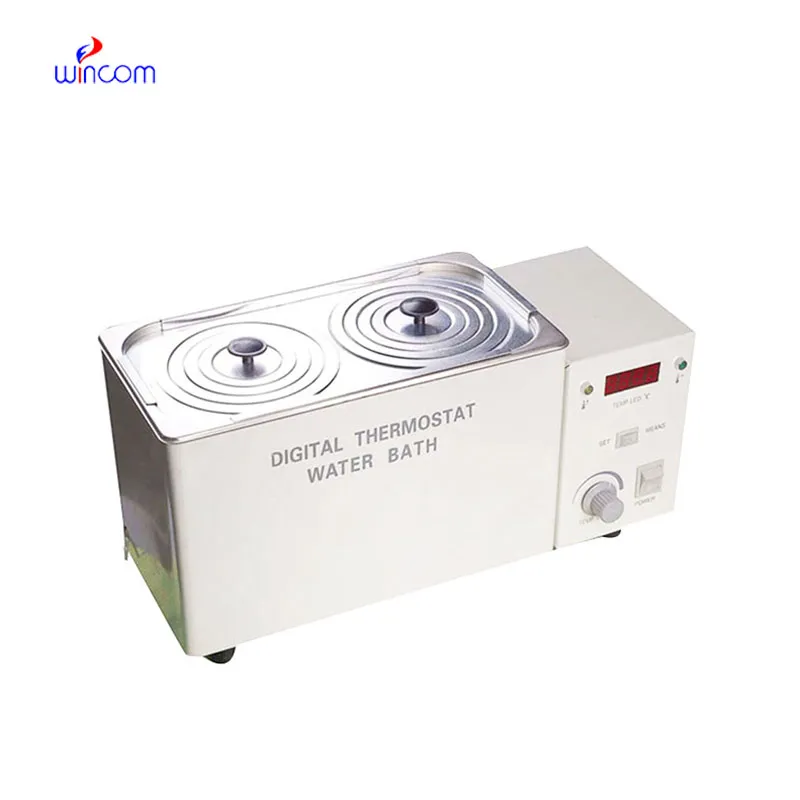
The circulating water bath delivers precise temperature control and proper heating performance for laboratory use. Its construction is supported by high-quality materials that guarantee both durability and hygiene. The temperature of the water is constant through automated control and constant monitoring. The circulating water bath also has a basic, plot digital display for accurate readings and quick adjustments. Overheating is prevented through safety features while sensitive samples are protected. Easy to operate and maintain, the circulating water bath offers quality heating performance for reagent preparation, sample incubation, and analytical research purposes.
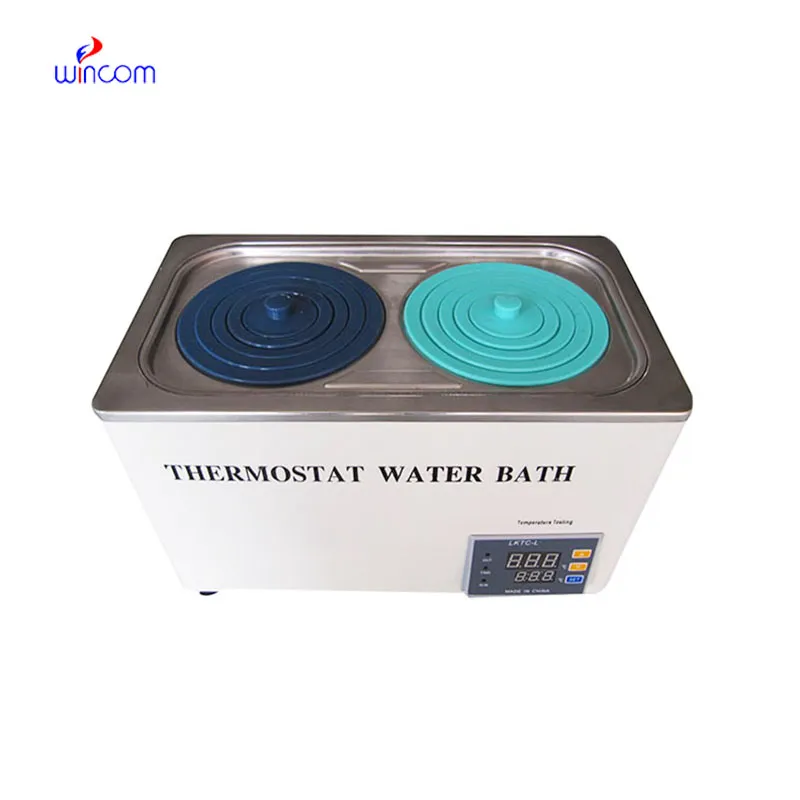
The circulating water bath is used worldwide in analytical, educational, and industrial laboratories. It offers regulated temperature conditions for the incubation of samples, preheating of reagents, and testing of materials. In biotechnology, the circulating water bath offers ideal temperatures for enzyme and cell-catalyzed reactions. It is also applied in the manufacture of pharmaceuticals to offer reliable heat in tests. As a result of its precise and consistent control of temperature, the circulating water bath ensures the reproducibility of experiments and is hence an essential tool in temperature-sensitive laboratory operations.
With advancing laboratory technology, the circulating water bath will also upgrade with increased performance and connectivity. The addition of artificial intelligence will enable predictive temperature control with automatic adjustment by experiment type. Data storage capacities will enable precise records of temperature histories for ensuring compliance and reproducibility. Energy-saving properties will also be added to the circulating water bath. Its advancement will be necessitated by the need for precision, ease, and sustainability in the current research settings.

The circulating water bath are durable due to ongoing cleaning and examination. Mineral deposit will affect thermal stability, and the bath thus requires draining and cleaning regularly. Distilled or deionized water must be used to prevent scaling. Calibration of the temperature controller from time to time maintains the readings in order. The control surface and outer casing can be cleaned using a damp cloth. Be sure to disconnect the power source during maintenance. These simple steps keep the circulating water bath in their optimal working state.
A circulating water bath is an important laboratory instrument used to give precise temperatures for samples when incubation, heating, or chemical reactions are ongoing. It provides uniform heat distribution through water circulation, ensuring uniform results for every sample. The circulating water bath is typically used in biology, chemistry, and medical labs where temperature regulation is important. Digital controls that are adjustable make it easy for users to track and regulate temperature for various experimental needs. Constructed from stainless steel chambers of high quality, the circulating water bath is safe, reliable, and durable in the long term for research and testing purposes.
Q: What is the primary function of a water bath in the laboratory? A: A water bath is used to maintain samples at a constant temperature for extended periods, providing stable heating conditions for experiments and reactions. Q: Why is distilled water recommended for use in a water bath? A: Distilled water is preferred because it prevents mineral buildup, reduces corrosion, and helps extend the lifespan of the equipment. Q: How often should the water in a water bath be replaced? A:When contamination or visible residue occurs, it should be replaced at least once a week or more frequently to ensure cleanliness and accurate heating performance. Q: What safety measures should be taken when operating a water bath? A: Users should avoid overfilling, keep electrical components dry, and regularly check temperature controls to prevent overheating or short circuits. Q: Can a water bath be used for heating flammable liquids? A: No, flammable liquids should never be heated in a water bath, as vapors can ignite when exposed to heat or electrical sparks.
The hospital bed is well-designed and very practical. Patients find it comfortable, and nurses appreciate how simple it is to operate.
The centrifuge operates quietly and efficiently. It’s compact but surprisingly powerful, making it perfect for daily lab use.
To protect the privacy of our buyers, only public service email domains like Gmail, Yahoo, and MSN will be displayed. Additionally, only a limited portion of the inquiry content will be shown.
Hello, I’m interested in your water bath for laboratory applications. Can you confirm the temperat...
Could you share the specifications and price for your hospital bed models? We’re looking for adjus...
E-mail: [email protected]
Tel: +86-731-84176622
+86-731-84136655
Address: Rm.1507,Xinsancheng Plaza. No.58, Renmin Road(E),Changsha,Hunan,China


 EN
EN
 af
af
 es
es
 ar
ar
 tr
tr
 sw
sw
 pt
pt
 th
th
 ur
ur
 bn
bn
 ne
ne
 vi
vi
 km
km
 lo
lo
 de
de
 ru
ru
 fi
fi
 nl
nl
 fa
fa
 fr
fr
 ko
ko