Made for the laboratory environment where accuracy is needed, the laboratory water bath ensures effective temperature maintenance and smooth heat exchange. Its intelligent control panel makes easy programming of settings and real-time temperature monitoring possible. The inner compartment, made of top-quality stainless steel, withstands corrosion and chemical stains. The laboratory water bath is quiet, energy-conserving, and constant in performance regardless of continuous operation. Its built-in protection features avoid overheat and guarantee the safety of the user. Simple to maintain and energy efficient, the laboratory water bath enhances laboratory productivity and experimental reproducibility.
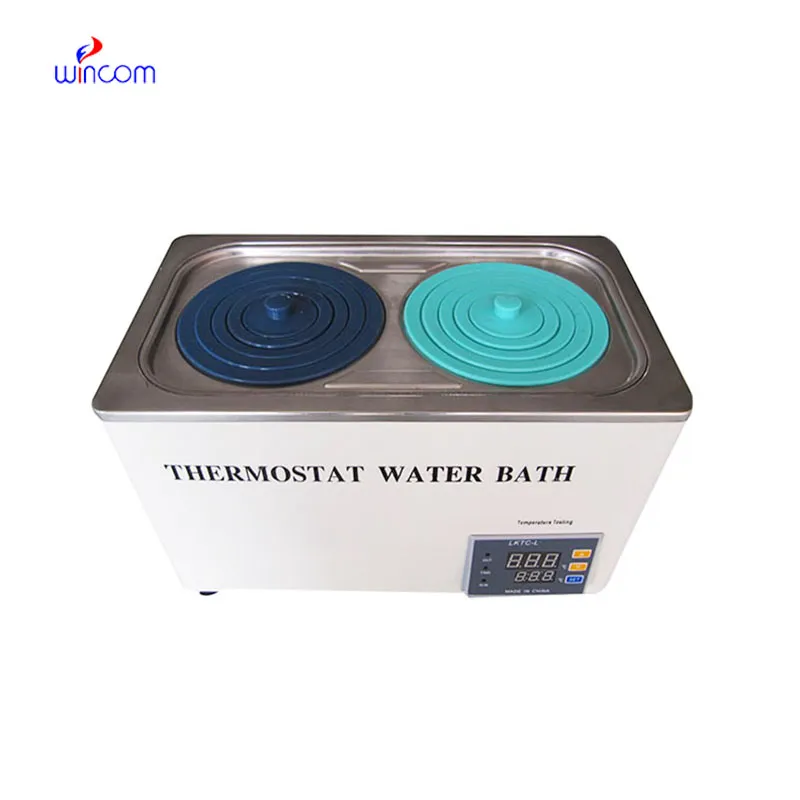
The laboratory water bath provides wide usage of laboratory and test protocols through the maintenance of constant temperatures. It is used in sample incubation, coagulation testing, and research on enzymes. In physical and chemical tests, the laboratory water bath is utilized to keep products at stable temperatures during tests for viscosity or density. The laboratory water bath is further used in food, cosmetic, and pharmaceutical quality testing. The accuracy and stability of the laboratory water bath ensure consistent results, making it an integral component of laboratory operations on a daily basis.
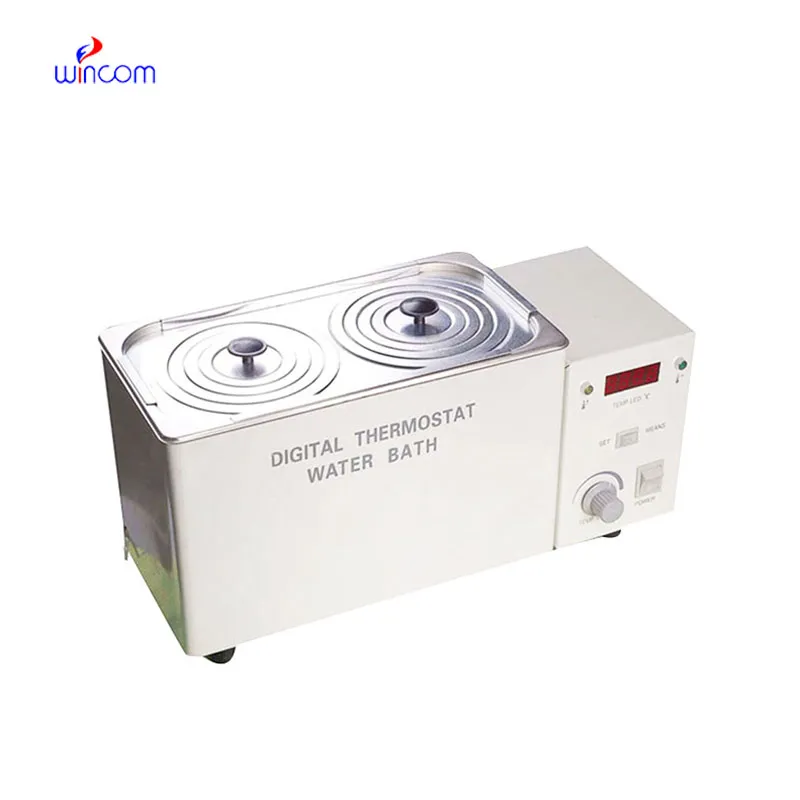
Future laboratory water bath will be altered by smart control systems and greater connectivity. The new designs will include self-regulating thermal technology that will be able to change heat automatically based on sample requirements. The addition of wireless communication will allow scientists to observe temperature performance in real-time. The laboratory water bath will also be greener, with the use of materials that minimize energy wastage and environmental impact. The innovation will improve laboratory productivity and facilitate more complex scientific experimentation.
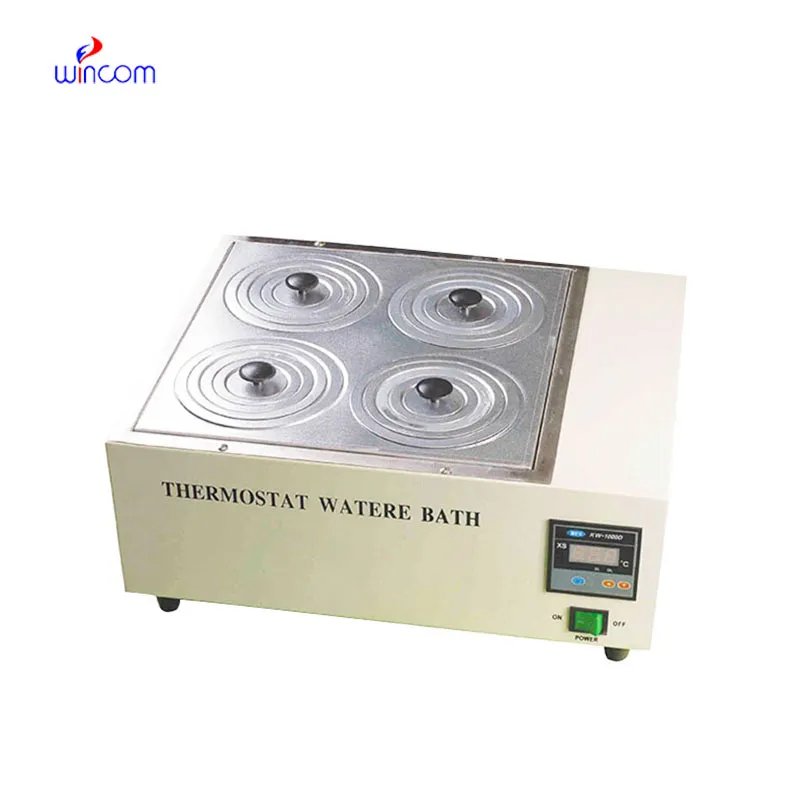
To ensure reliability and accuracy, the laboratory water bath should be maintained regularly. Water in the chamber should be replaced to prevent scaling and bacterial buildup. Clean the tank with a lint-free wipe after each use and have the tank remain open so that it dries out. Use non-abrasive cleaning agents that will not damage the surface. Monitor electrical connections and temperature controls occasionally for safe operation. Properly maintained laboratory water bath continues to give reproducible results for sundry laboratory applications.
The laboratory water bath is utilized to maintain constant temperatures for various scientific activities that need accuracy. Its insulated chamber and stable heating mechanism prevent energy loss and ensure constant water temperature. Laboratories often use the laboratory water bath for the process of heating reagents, incubation of samples, and measurements for temperature-sensitive materials. With its corrosion-resistant tank and user-friendly interface, it offers convenience and durability. The laboratory water bath is necessary in order to get reproducible results in chemical, biological, and clinical studies.
Q: What types of laboratory work benefit from using a water bath? A: Water baths are used in microbiology, chemistry, and biotechnology for incubating samples, warming reagents, and melting substances safely. Q: How can contamination be prevented inside a water bath? A: Cleaning the tank regularly, using distilled water, and covering the bath when not in use can significantly reduce contamination risk. Q: Is it safe to leave a water bath running overnight? A: It is generally safe for models with over-temperature protection, but regular supervision and adherence to manufacturer guidelines are strongly advised. Q: What causes uneven heating in a water bath? A: Uneven heating may result from improper circulation, incorrect water level, or malfunctioning heating elements. Q: Why is it important to monitor the water level in a bath? A: Maintaining an adequate water level prevents damage to heating elements and ensures consistent thermal contact with the samples.
The microscope delivers incredibly sharp images and precise focusing. It’s perfect for both professional lab work and educational use.
The hospital bed is well-designed and very practical. Patients find it comfortable, and nurses appreciate how simple it is to operate.
To protect the privacy of our buyers, only public service email domains like Gmail, Yahoo, and MSN will be displayed. Additionally, only a limited portion of the inquiry content will be shown.
Hello, I’m interested in your centrifuge models for laboratory use. Could you please send me more ...
We’re interested in your delivery bed for our maternity department. Please send detailed specifica...
E-mail: [email protected]
Tel: +86-731-84176622
+86-731-84136655
Address: Rm.1507,Xinsancheng Plaza. No.58, Renmin Road(E),Changsha,Hunan,China


 EN
EN
 af
af
 es
es
 ar
ar
 tr
tr
 sw
sw
 pt
pt
 th
th
 ur
ur
 bn
bn
 ne
ne
 vi
vi
 km
km
 lo
lo
 de
de
 ru
ru
 fi
fi
 nl
nl
 fa
fa
 fr
fr
 ko
ko