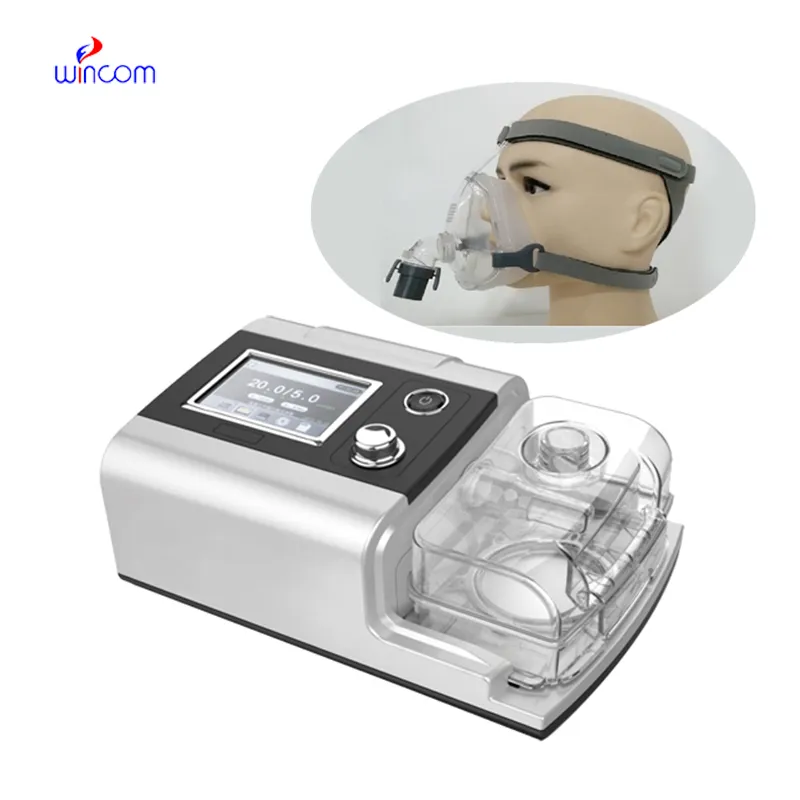
In the hospital and laboratory environments, machine anesthesia provides a complete anesthesia management solution by integrating gas delivery, ventilation support, and continuous physiological monitoring. The equipment measures oxygen saturation, airway pressures, and respiratory parameters, thus enabling anesthesiologists to react promptly to the demands of the patients. A precise control of anesthetic gases is guaranteed by integrated safety alarms and adjustable flow systems. machine anesthesia finds its utility in operating rooms, emergency care units, and laboratory-based clinical studies. Its dependable performance not only secures patient stability but also increases the efficiency of the procedure and facilitates uniform monitoring across various hospital settings.
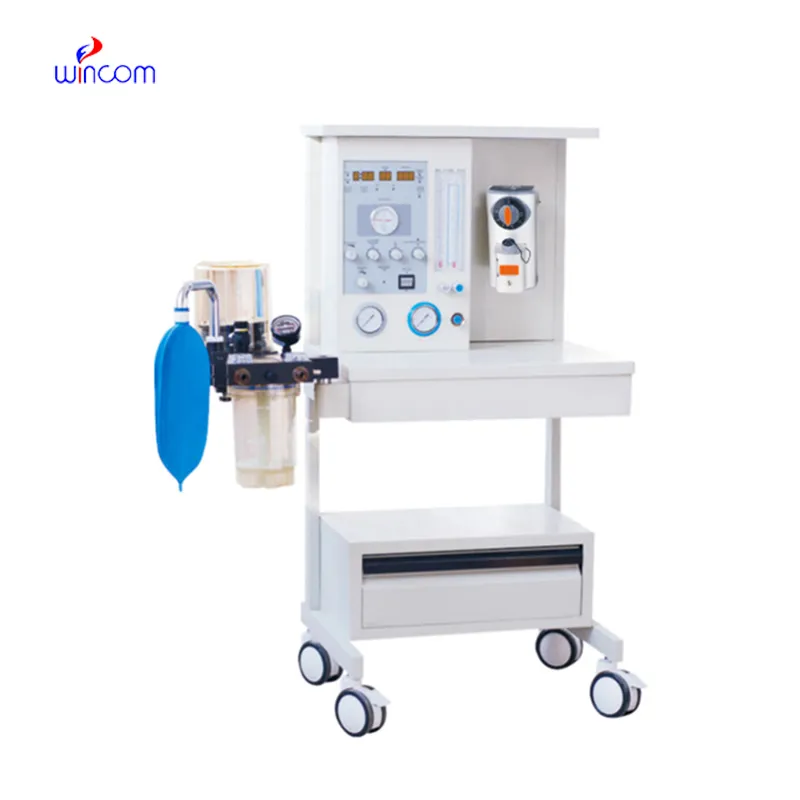
In machine anesthesia, the training tool is used in teaching hospitals for anesthesia education purposes. Medical students and residents get to learn anesthesia methods by looking at gas delivery systems, watching different ventilation modes, and monitoring indicators. The device provides both simulated and supervised clinical practice, and it lets the trainees grasp the real patient responses in the controlled conditions. So, by combining practical training with constant monitoring, machine anesthesia not only helps to the professional growth in the hospital education system but also enhances the clinical skills in anesthesia management area.
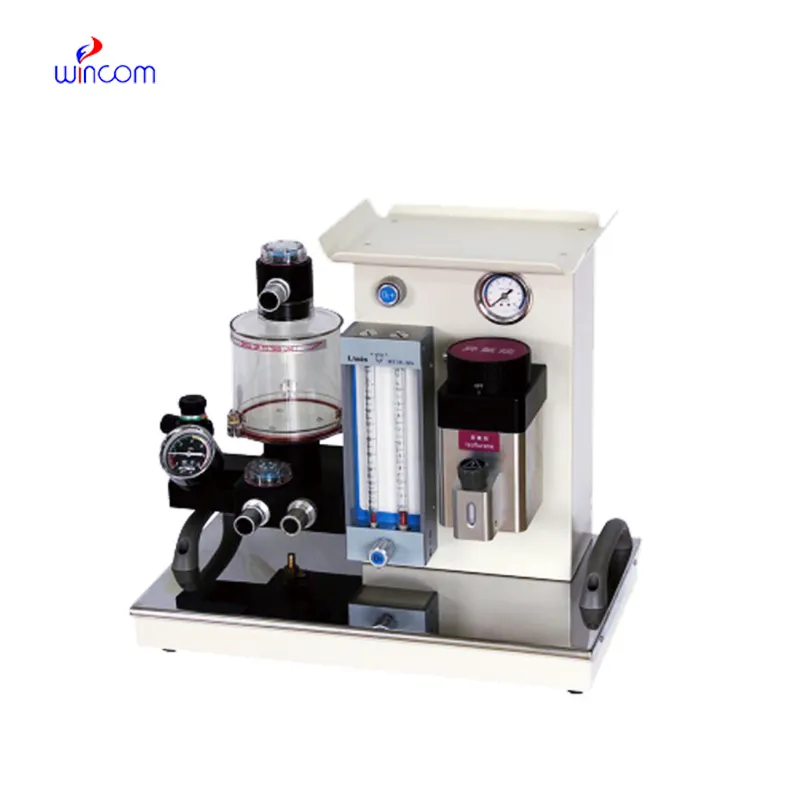
Future advancements in machine anesthesia might have better user interfaces that can be user-friendly and save the time for training. Visual aids that are easy to understand and controls that are user-friendly can make it possible to have the same quality of use across different clinical teams. Those hospitals that constantly have new staff coming in and out or are using different medical specialists may find the new features of machine anesthesia very helpful in dealing with the problems caused by the diversity of the staff. In focusing on the characteristics of the product that make it easier to use and more effective, machine anesthesia will be able to provide support for the safe management of anesthesia even in situations where the healthcare workforce is changing.
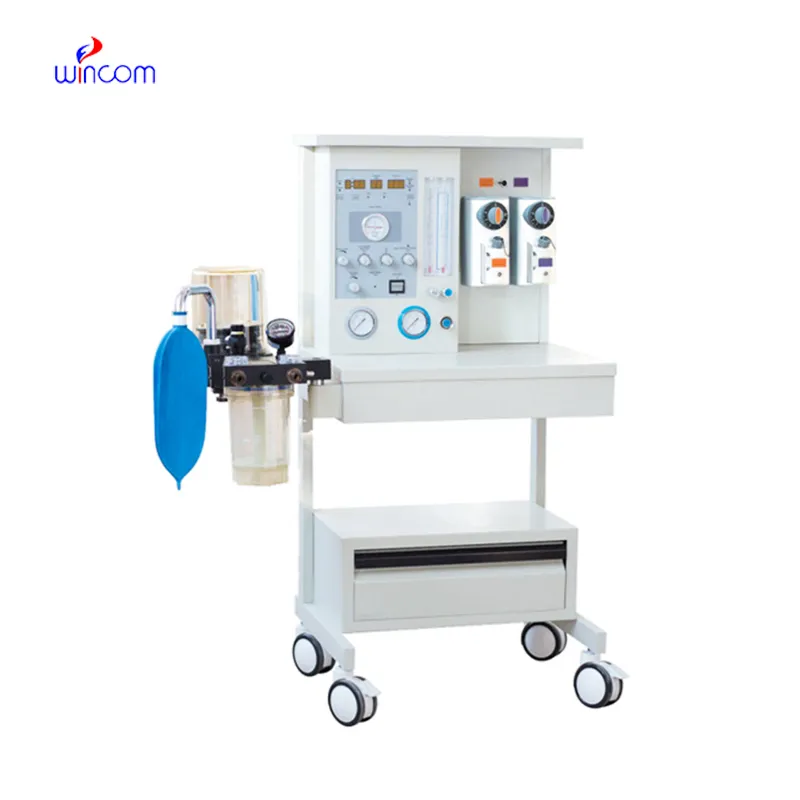
The proper care of machine anesthesia starts with weekly inspection before and after daily clinical use. The gas pipelines, connectors, and flow meters should be checked by the hospital staff to make sure they are working correctly. Cleaning and replacing of breathing circuits and masks should be done according to infection control protocols. Regular calibration of monitoring components is a way to always have accurate readings. In high-traffic operating rooms, stable maintenance schedules cut down on sudden breaks. Hospitals can prolong the lifespan of machine anesthesia and keep anesthesia delivery reliable by using inspection schedules that are structured.
In machine anesthesia, the basic principles and methods of anesthesia are demonstrated in clinical teaching environments. Medical students and interns get to see the functioning of gas flow systems, vaporizers, and patient monitoring. This use of teaching makes it easier for the learners to grasp ventilation, oxygenation, and anesthetic delivery in actual hospital surroundings. By combining watching with hands-on training, machine anesthesia makes the learning outcomes better in anesthesia education programs.
Q: How frequently should Anesthesia Machine be checked? A: The machine should be routine checked before daily use and also during the scheduled maintenance cycles. Q: Is the Anesthesia Machine movable within a hospital? A: There are lots of models available that are specifically designed with wheels that allow easy movement between the departments. Q: Can it be connected with hospital monitoring systems? A: There are some models that are designed for the connection with central monitoring and data systems. Q: What is the procedure when the oxygen supply is cut off? A: The safety mechanisms will alert the clinicians and will also help in keeping the patient protected. Q: Is the use of this equipment limited to specially trained personnel only? A: Definitely, only properly trained personnel will be able to use the machine safely and efficiently.
We’ve used this centrifuge for several months now, and it has performed consistently well. The speed control and balance are excellent.
The centrifuge operates quietly and efficiently. It’s compact but surprisingly powerful, making it perfect for daily lab use.
To protect the privacy of our buyers, only public service email domains like Gmail, Yahoo, and MSN will be displayed. Additionally, only a limited portion of the inquiry content will be shown.
We are planning to upgrade our imaging department and would like more information on your mri machin...
Could you please provide more information about your microscope range? I’d like to know the magnif...
E-mail: [email protected]
Tel: +86-731-84176622
+86-731-84136655
Address: Rm.1507,Xinsancheng Plaza. No.58, Renmin Road(E),Changsha,Hunan,China


 EN
 af
 es
 ar
 tr
 sw
 pt
 th
 ur
 bn
 ne
 vi
 km
 lo
 de
 ru
 fi
 nl
 fa
 fr
 ko