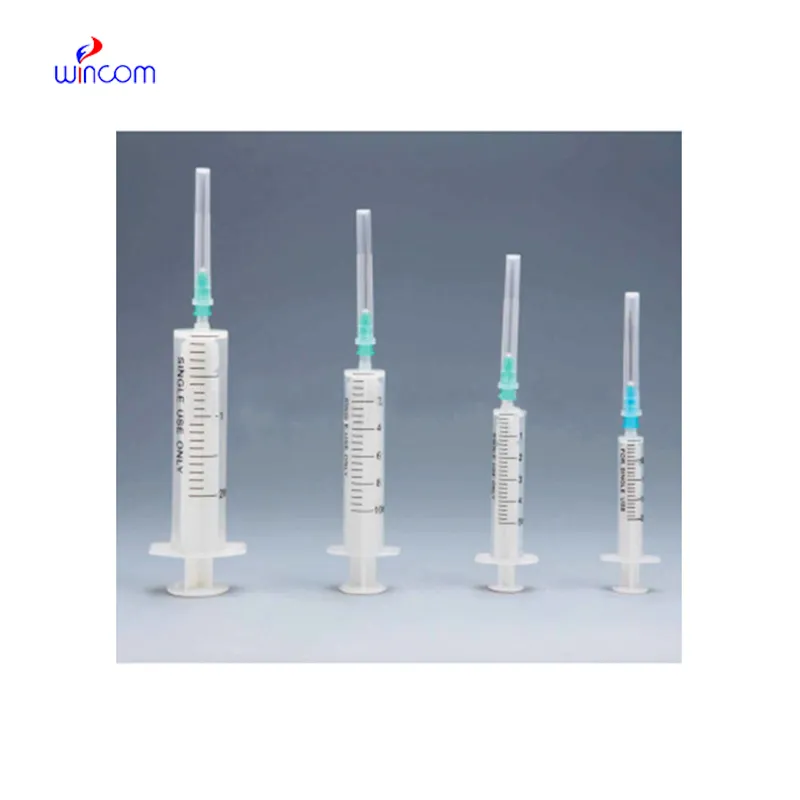
In the operating rooms and laboratory hospitals, nitrous oxide anesthesia machine does an all-in-one job of anesthesia management with the help of gas delivery, ventilation, and monitoring systems. It gives a constant eye on the respiratory function, oxygen levels, and airway pressures. The machine guarantees the patient's sedation stability during difficult operations. With safety alarms, vaporizers, and gas flow controls that can be adjusted, nitrous oxide anesthesia machine lets the anesthesiologists do real-time modifications, thereby assuring accuracy and reliability. Its multifunctionality and exactness offer it to be used for both the daily surgical operations and the labs that needed special conditions for anesthesia to be studied and, thus, controlled.
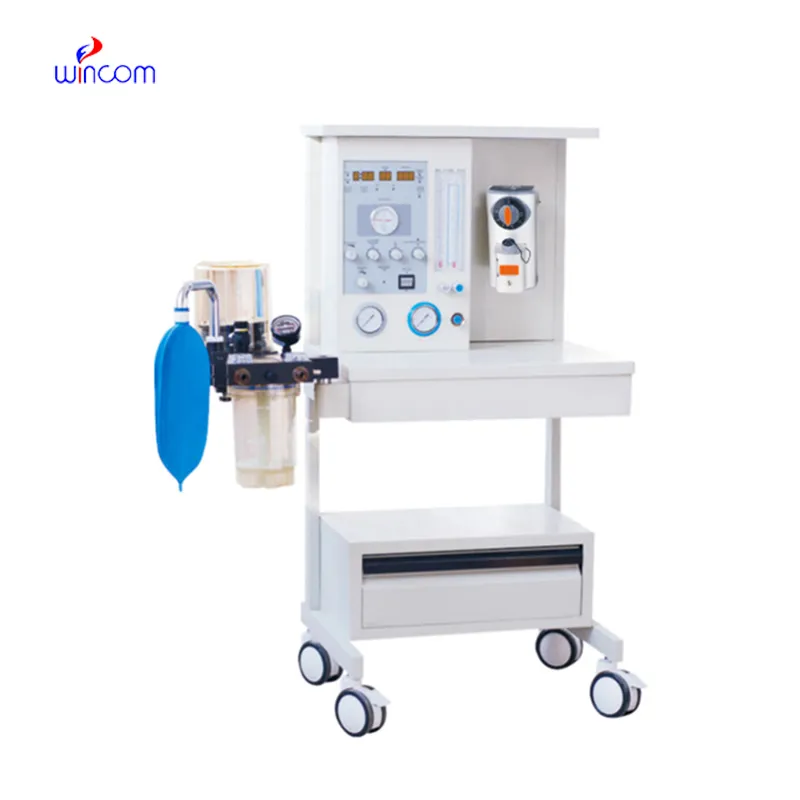
In medical research done in the laboratory, nitrous oxide anesthesia machine is utilized for keeping anesthesia under control during experimental procedures. The researchers apply the instrument for the purpose of keeping steady respiratory conditions and thereby studying physiological reactions. The anesthetic's delivery exactness is determined to be the basis for the experiments' reproducibility and safety. The capability of the device to monitor helps to observe the respiratory and oxygen variables during the entire course of the experiment. This specific use exemplifies the importance of nitrous oxide anesthesia machine in assisting clinical trials and laboratory studies in the realm of medicine.
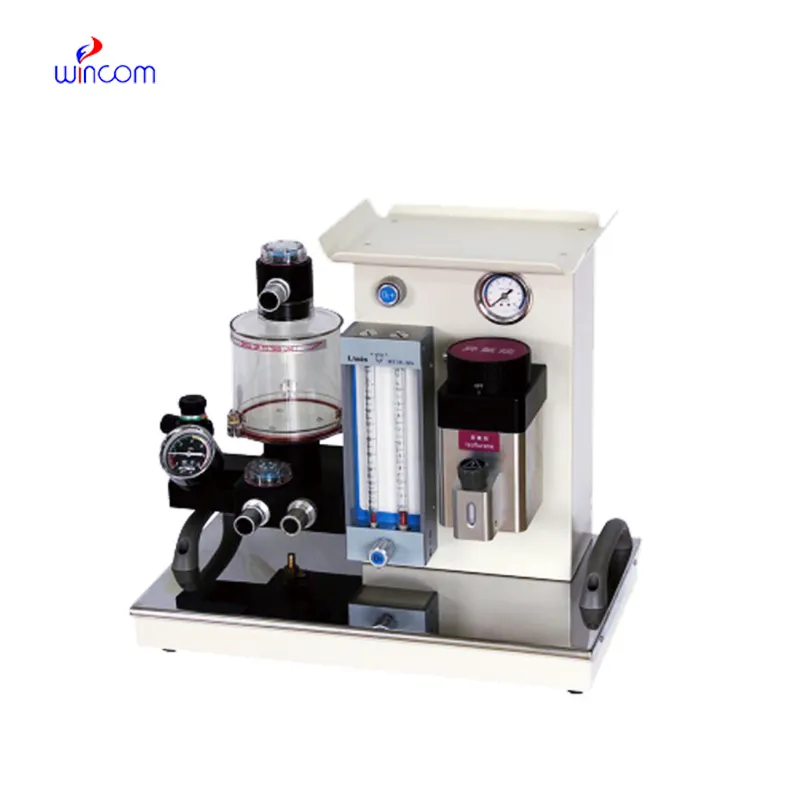
Future advancements in nitrous oxide anesthesia machine might have better user interfaces that can be user-friendly and save the time for training. Visual aids that are easy to understand and controls that are user-friendly can make it possible to have the same quality of use across different clinical teams. Those hospitals that constantly have new staff coming in and out or are using different medical specialists may find the new features of nitrous oxide anesthesia machine very helpful in dealing with the problems caused by the diversity of the staff. In focusing on the characteristics of the product that make it easier to use and more effective, nitrous oxide anesthesia machine will be able to provide support for the safe management of anesthesia even in situations where the healthcare workforce is changing.
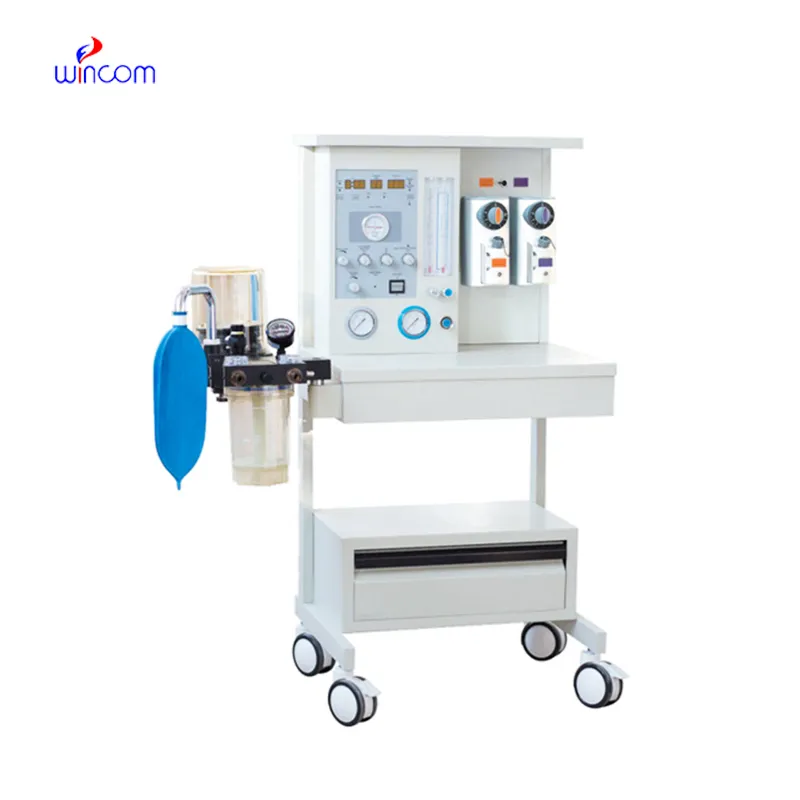
Scheduled technical maintenance is very important for the nitrous oxide anesthesia machine functionality. Biomedical engineers often check pressure systems, valves, and air conditioning units as part of their routine work. It may also be necessary to carry out software updates to ensure that hospital monitoring networks can still work with the new software. Daily maintenance activities are documented to provide information about the condition of the equipment over time. By keeping precise service records, hospitals not only guarantee the adherence to regulations but also the reliable performance of anesthesia machines.
In contemporary medical centers, nitrous oxide anesthesia machine is implemented for the purpose of ensuring stability in anesthesia throughout intricate surgical procedures. It manages the amount of anesthetic gasses and at the same time gives continuous feedback on the patient's breathing and oxygen levels. The apparatus permits uninterrupted observation of life signs and makes it possible to carry out modifications according to the needs of the patient. Moreover, nitrous oxide anesthesia machine facilitates accurate anesthesia management, thereby mitigating the dangers linked to both over- and under-sedation and leading to the best possible patient outcomes in all hospital operating rooms and clinical labs.
Q: What is the main function of an anesthesia machine? A: Controlled anesthetic gases are delivered and the patient is ventilated during medical procedures. Q: Where is the anesthesia machine frequently used? A: Hospitals mainly use it in their operating rooms, emergency units, and intensive care departments. Q: Who operates the anesthesia machine during surgery? A: Trained anesthesiologists or anesthesia technicians are responsible for operating the device. Q: Can the anesthesia machine assist the breathing of a patient? A: Yes, by providing mechanical ventilation support when spontaneous breathing is insufficient. Q: Does the device monitor respiratory parameters? A: It monitors airflow, pressure and oxygen concentration all through the delivery.
The hospital bed is well-designed and very practical. Patients find it comfortable, and nurses appreciate how simple it is to operate.
The centrifuge operates quietly and efficiently. It’s compact but surprisingly powerful, making it perfect for daily lab use.
To protect the privacy of our buyers, only public service email domains like Gmail, Yahoo, and MSN will be displayed. Additionally, only a limited portion of the inquiry content will be shown.
We’re interested in your delivery bed for our maternity department. Please send detailed specifica...
Could you share the specifications and price for your hospital bed models? We’re looking for adjus...
E-mail: [email protected]
Tel: +86-731-84176622
+86-731-84136655
Address: Rm.1507,Xinsancheng Plaza. No.58, Renmin Road(E),Changsha,Hunan,China


 EN
 af
 es
 ar
 tr
 sw
 pt
 th
 ur
 bn
 ne
 vi
 km
 lo
 de
 ru
 fi
 nl
 fa
 fr
 ko