In clinical and laboratory settings, patient monitoring devices is a primary tool for monitoring cardiac activity and vital signs. The device presents the ECG waveform very lucidly, which helps thorough patient assessment. Its stable functioning and organized data output have made it appropriate for daily operation in hospital wards where constant and accurate monitoring is necessary for patient care and clinical records.
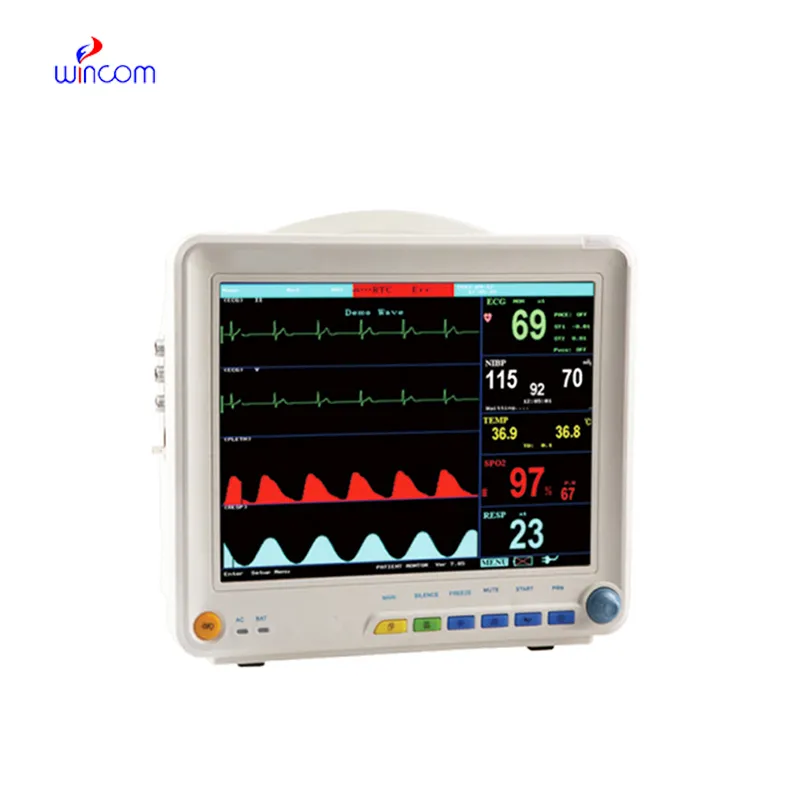
In neonatal and pediatric units, patient monitoring devices is executed to assist the continuous monitoring of at-risk patients. ECG monitoring permits the observing of fine heart activity together with vital signs. This application facilitates the uninterrupted monitoring with minimal physical disturbance thus increasing patient safety in the specialized hospital areas.

Eventually, patient monitoring devices will be considered as a vital part of integrated patient management platforms in the long run. The ongoing ECG data will play a major role in forming all-inclusive physiological profiles that will aid in the great collaboration of medical practitioners. This change will reinforce patient monitoring methods in the current healthcare systems.
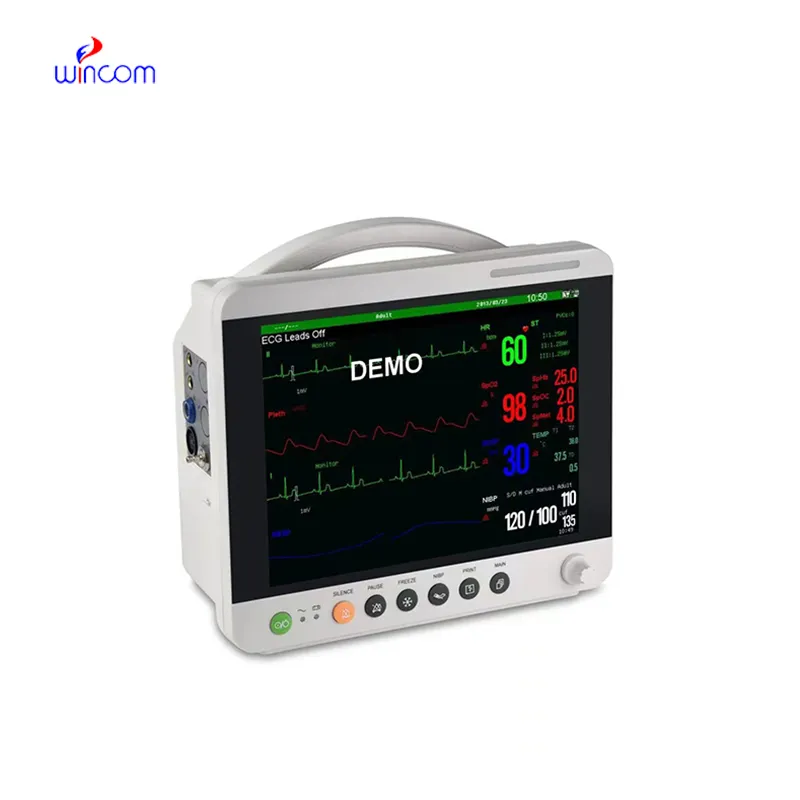
The correct handling and storage methods are vital to the durability of patient monitoring devices. Do not put the device close to water or sun, and manage the cables well to prevent any tension. The points where the sensors are attached should be looked into for corrosion or disconnection often. Carrying out periodic internal diagnostics and software checks will make sure that ECG recording and vital sign monitoring are stable. These maintenance activities will, in turn, ensure the uniform performance of the device throughout hospitals, labs, and emergency departments.
Most of the time, patient monitoring devices are used in outpatient clinics and diagnostic laboratories for short-term cardiac monitoring and regular health checks. The use of ECG along with patient monitoring devices provides an opportunity for heart diseases to be screened and treated through follow-up visits. The different setups of portable and bedside machines make it possible for these heart tests to take place in any hospital department. By making data collection efficient, patient monitoring devices helps the coordination of the workflow and also the consistency of the diagnosis.
Q: How often should ECG electrodes be replaced? A: Signal detection accuracy depends on the regular replacement of electrodes. Q: Can a Patient Monitor & ECG be used in neonatal care? A: Certainly, the use of specialized sensors allows safe monitoring of newborns and infants. Q: Does a Patient Monitor & ECG provide alarm functions? A: Alarms are indeed present, with notifications sent to the staff in case of abnormal heart rates or any other vital sign changes. Q: Can it record trends over time? A: It can indeed show historical data for patient analysis and clinical evaluation. Q: Is maintenance required for a Patient Monitor & ECG? A: Long-term performance and accuracy depend on regular maintenance and cleaning which are appropriate for the equipment.
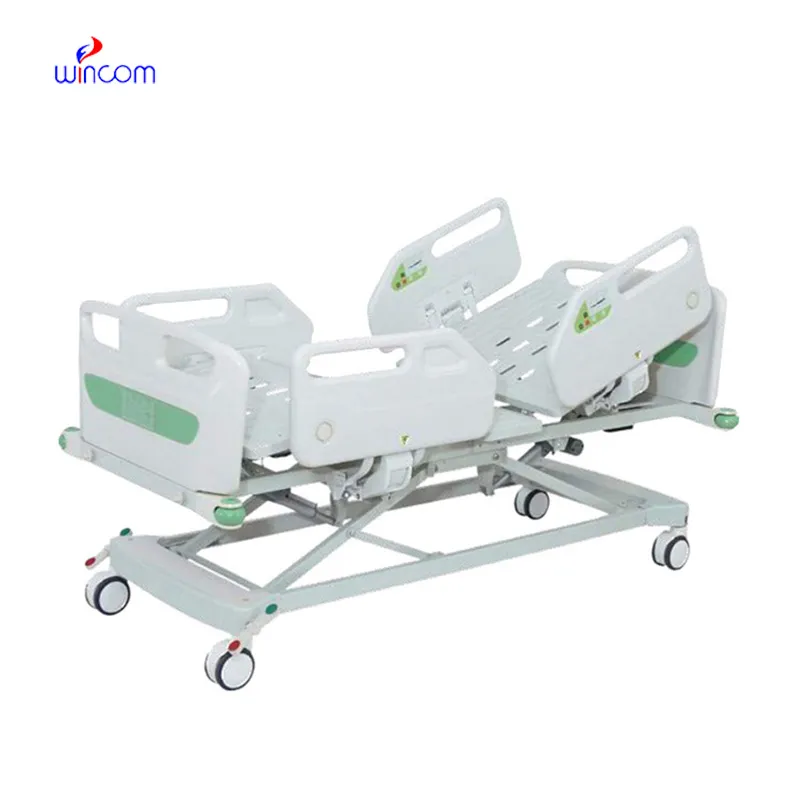
The hospital bed is well-designed and very practical. Patients find it comfortable, and nurses appreciate how simple it is to operate.
I’ve used several microscopes before, but this one stands out for its sturdy design and smooth magnification control.
To protect the privacy of our buyers, only public service email domains like Gmail, Yahoo, and MSN will be displayed. Additionally, only a limited portion of the inquiry content will be shown.
Hello, I’m interested in your water bath for laboratory applications. Can you confirm the temperat...
Hello, I’m interested in your centrifuge models for laboratory use. Could you please send me more ...
E-mail: [email protected]
Tel: +86-731-84176622
+86-731-84136655
Address: Rm.1507,Xinsancheng Plaza. No.58, Renmin Road(E),Changsha,Hunan,China


 EN
 af
 es
 ar
 tr
 sw
 pt
 th
 ur
 bn
 ne
 vi
 km
 lo
 de
 ru
 fi
 nl
 fa
 fr
 ko