In clinical and laboratory settings, vital sign monitor is a primary tool for monitoring cardiac activity and vital signs. The device presents the ECG waveform very lucidly, which helps thorough patient assessment. Its stable functioning and organized data output have made it appropriate for daily operation in hospital wards where constant and accurate monitoring is necessary for patient care and clinical records.
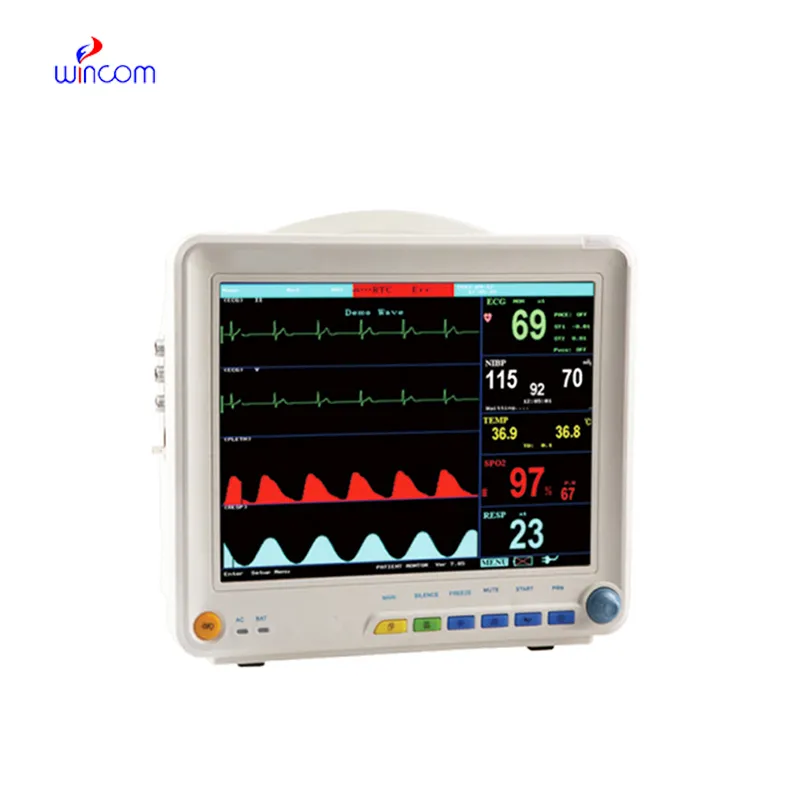
In the vital sign monitor operating rooms, patient monitoring is done by applying Continuous ECG Observation. This opened up a new era in intraoperative monitoring where the anesthesia team could keep track of the heart rhythm variations during anesthesia and surgery. Besides, it was possible to know the patient’s condition during the ongoing surgery through this application. The data was integrated into surgical workflows, thus ensuring its continuous availability during the whole procedure.

With the evolution of clinical education, vital sign monitor will be a strong support to the advanced training environments. The hospitals that teach may have future systems with various simulation modes and interactive ECG visualization. This trend will not only raise the standards of medical training but also improve the interpretation skills of the healthcare workers.
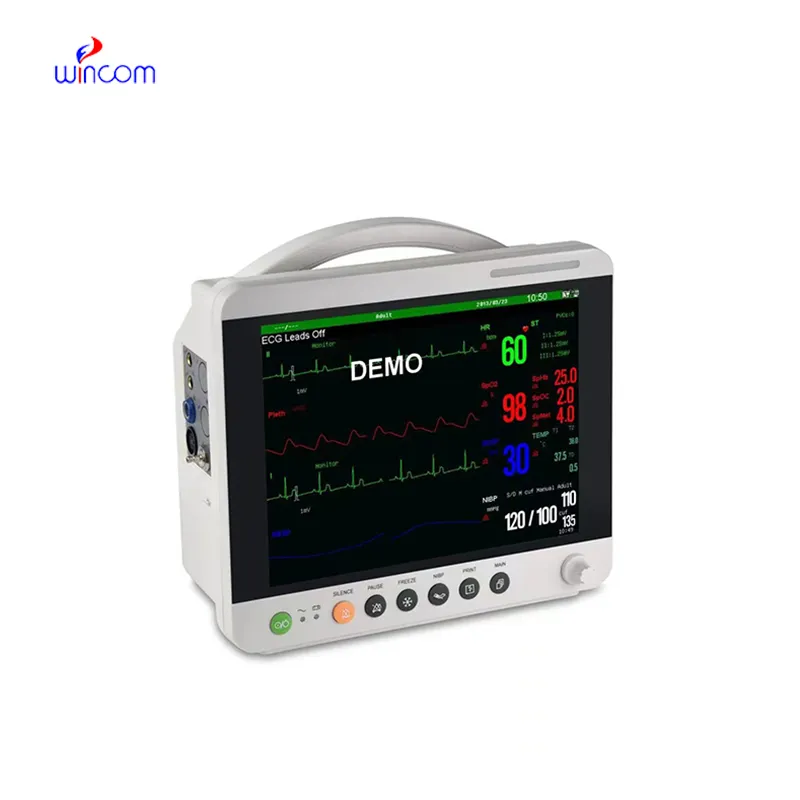
vital sign monitor is a medical device that needs preventive maintenance to keep it performing without interruption in clinical environments. Display, interface ports, and alarm functions need to be inspected regularly. ECG electrodes, cables, and accessories must be changed from time to time to avoid errors due to wear. When a device is not in use, proper storage should be done to prevent exposure to dust, humidity, or mechanical stress. By adhering to organized maintenance schedules, hospital teams not only keep the device's monitoring performance consistent but also prolong the device's life and ensure the safety of the patients.
In clinical research and laboratory-based medical studies, vital sign monitor serves as a means for physiological data collection and analysis. The ECG recording functions enable the researchers to record the heart activities under controlled conditions. This data is used for cardiovascular studies, treatment evaluation, and medical training programs. vital sign monitor is improving the reliability of research in hospital-based laboratories and academic medical centers by providing stable and accurate measurements.
Q: How often should ECG electrodes be replaced? A: Signal detection accuracy depends on the regular replacement of electrodes. Q: Can a Patient Monitor & ECG be used in neonatal care? A: Certainly, the use of specialized sensors allows safe monitoring of newborns and infants. Q: Does a Patient Monitor & ECG provide alarm functions? A: Alarms are indeed present, with notifications sent to the staff in case of abnormal heart rates or any other vital sign changes. Q: Can it record trends over time? A: It can indeed show historical data for patient analysis and clinical evaluation. Q: Is maintenance required for a Patient Monitor & ECG? A: Long-term performance and accuracy depend on regular maintenance and cleaning which are appropriate for the equipment.
The hospital bed is well-designed and very practical. Patients find it comfortable, and nurses appreciate how simple it is to operate.
We’ve been using this mri machine for several months, and the image clarity is excellent. It’s reliable and easy for our team to operate.
To protect the privacy of our buyers, only public service email domains like Gmail, Yahoo, and MSN will be displayed. Additionally, only a limited portion of the inquiry content will be shown.
We’re currently sourcing an ultrasound scanner for hospital use. Please send product specification...
I’d like to inquire about your x-ray machine models. Could you provide the technical datasheet, wa...
E-mail: [email protected]
Tel: +86-731-84176622
+86-731-84136655
Address: Rm.1507,Xinsancheng Plaza. No.58, Renmin Road(E),Changsha,Hunan,China


 EN
 af
 es
 ar
 tr
 sw
 pt
 th
 ur
 bn
 ne
 vi
 km
 lo
 de
 ru
 fi
 nl
 fa
 fr
 ko