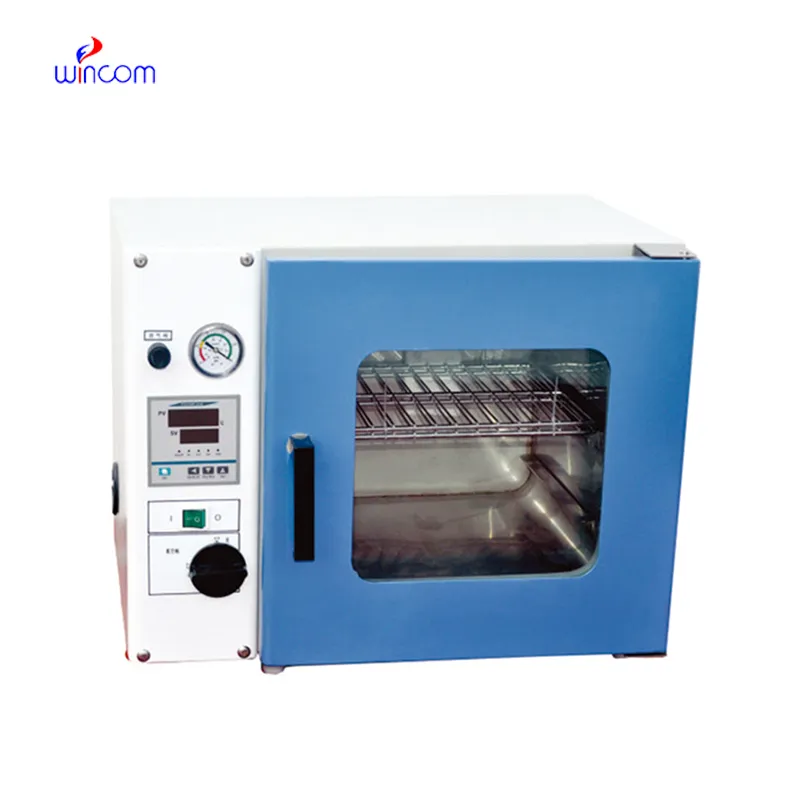
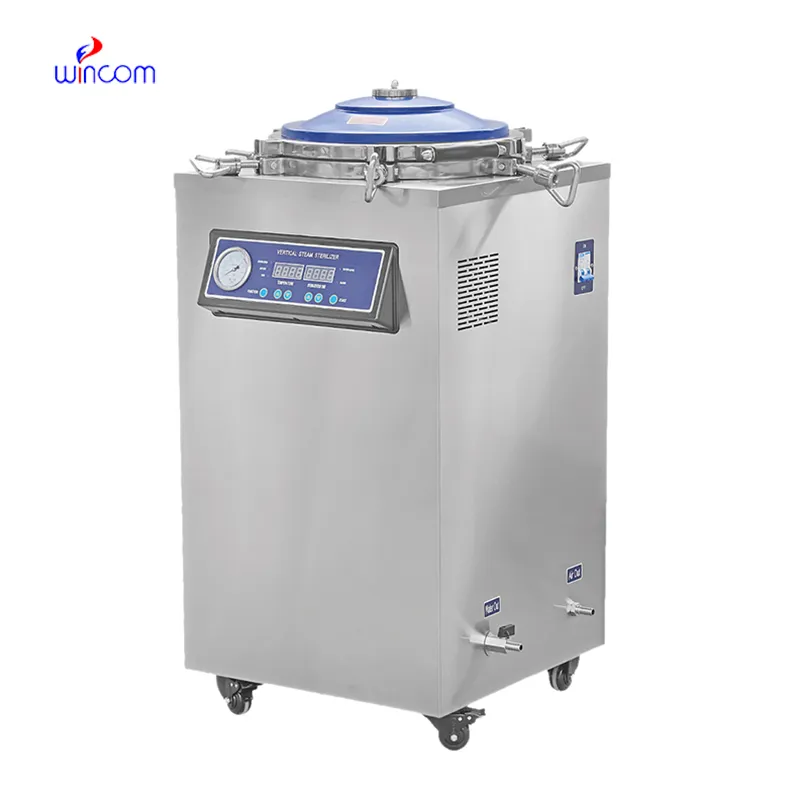
The water bath use in laboratory has functionality with advanced temperature control technology. Its heater system includes stable thermal consistency, whereby each sample in the chamber undergoes equal heat exposure. The water bath use in laboratory enables precise temperature setting and adjustments with an easy-to-use digital control panel. Its stainless-steel tank includes superior corrosion resistance and chemical reaction resistance. With built-in protection features such as thermal cut-off and water level sensing, the water bath use in laboratory is all about performance and protection. It is best for regular lab applications and for certain scientific applications.
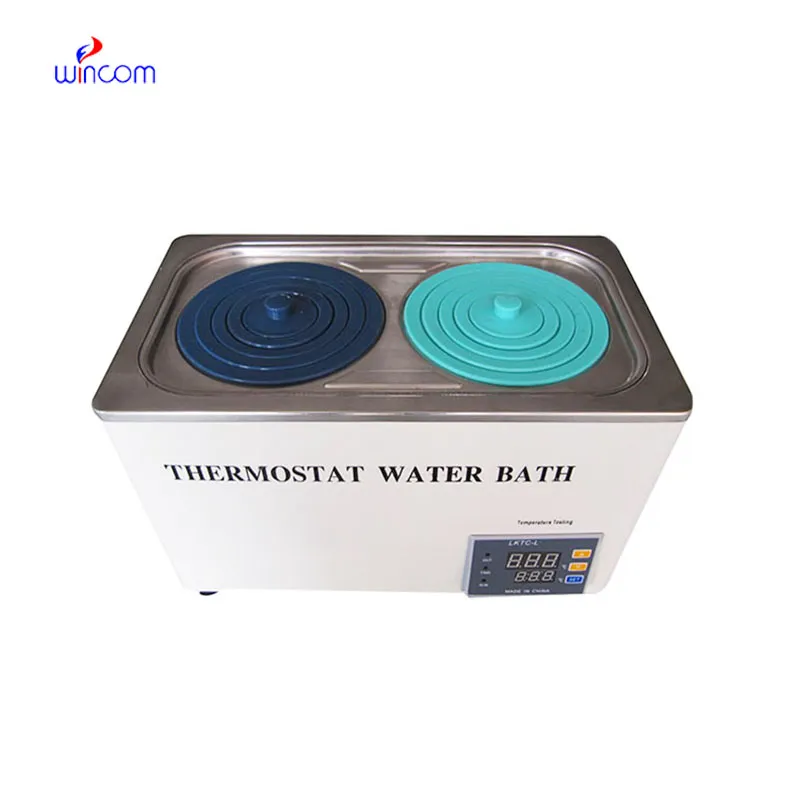
Both in commercial and school settings, the water bath use in laboratory provides stable heat for experiments that necessitate temperature-driven conditions. It is used in processes such as protein digestion, bacterial culture, and heating of reagents. The water bath use in laboratory is also crucial in environmental analysis where accuracy in temperature control of incubating samples is needed. The water bath use in laboratory' reliability supports laboratories in conducting standard experiments as well as complex research studies. The water bath use in laboratory' stable performance ensures reproducibility and reliability, boosting laboratory results' credibility across various fields.
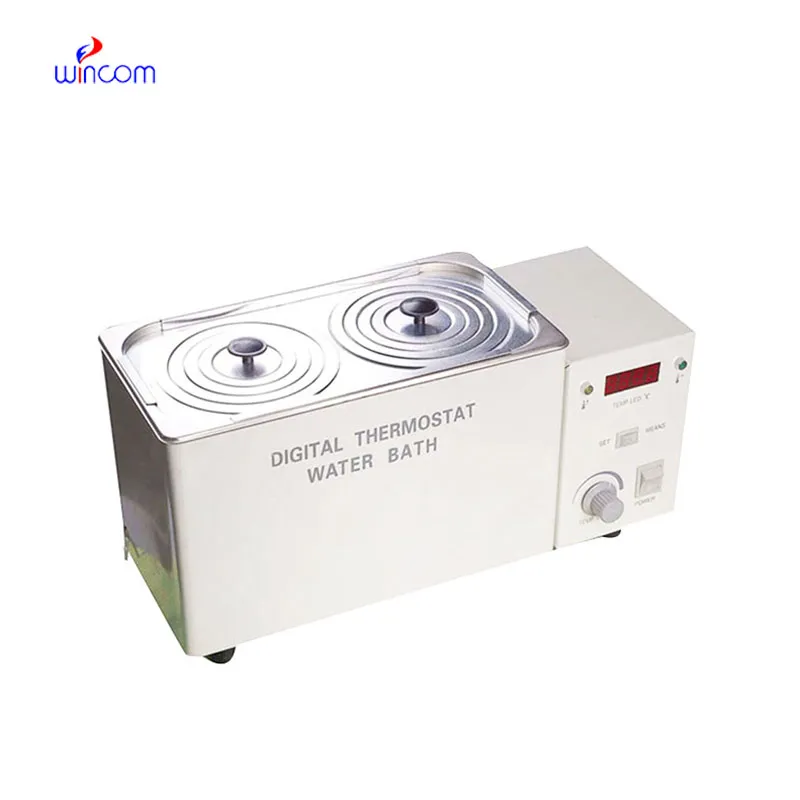
New technologies are shaping the future of the water bath use in laboratory, making them faster, smarter, and greener. Advanced temperature mapping will enhance consistency, while AI-powered analytics will maximize performance based on experimental data. Lab management software compatibility will enable remote control and automatic reporting. The water bath use in laboratory will also be built to utilize recyclable materials and energy-saving features. All these new features will make it an integral part of laboratories which need precision, efficiency, and reduced environmental impact.
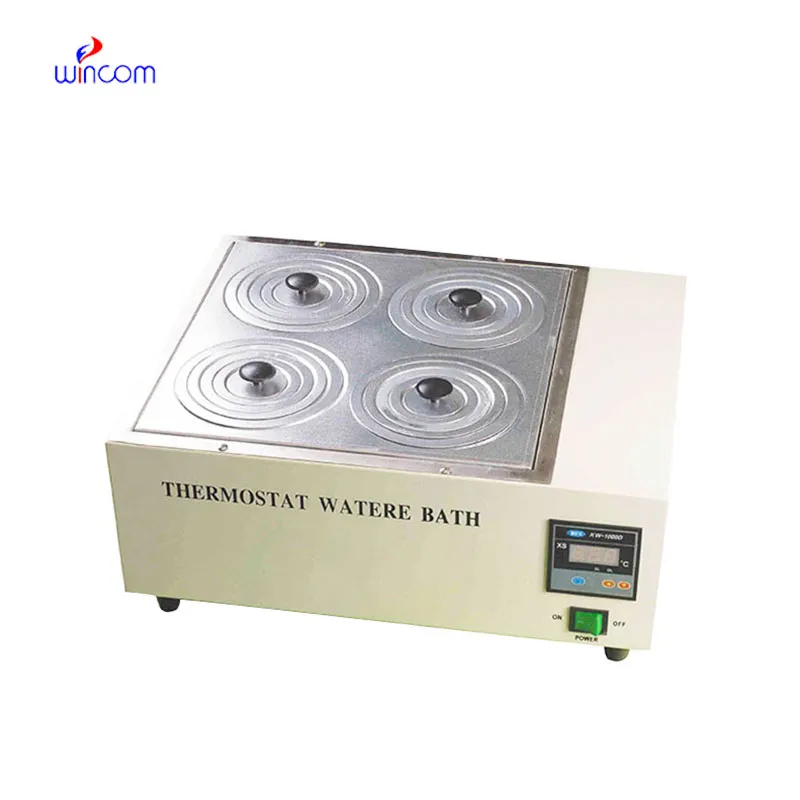
The water bath use in laboratory will perform optimally and endure with good maintenance. Check the water level constantly to avoid overheating and destruction of internal parts. Regular draining and chamber cleaning will avoid deposits or contamination. Use of distilled water avoids residue build-up. The exterior and control panel can be wiped using a soft, damp cloth. Regular inspection of heating elements and temperature sensors ensures efficient operation with accuracy. Store the water bath use in laboratory in a dry environment and it enhances its longevity.
A water bath use in laboratory is a precision heating equipment designed for laboratory purposes where constant temperature conditions are required. Typically used for sample incubation, substance melting, or induction of biochemical reactions, the water bath use in laboratory combines accurate temperature control with efficient water flow for even heat distribution. Its digital display and safety cut-off features enhance operating reliability. Rugged and easy to maintain, the water bath use in laboratory is a basic laboratory equipment in different scientific disciplines.
Q: What temperature range can a laboratory water bath typically achieve? A: Most laboratory water baths operate between ambient temperature and approximately 100°C, allowing precise control for a variety of experiments. Q: How does a water bath ensure even heating across samples? A: The circulation of water, either by convection or a built-in stirrer, ensures uniform temperature distribution throughout the chamber. Q: Why should a water bath be calibrated regularly? A: Regular calibration ensures temperature accuracy, preventing errors that could affect the results of sensitive laboratory processes. Q: What materials are commonly used in constructing a water bath? A: High-quality stainless steel is typically used for the inner chamber to resist corrosion and ensure durability under continuous heating. Q: How can overheating be prevented when using a water bath? A: Many modern units feature automatic temperature cutoffs and alarms that activate if the set temperature exceeds safe limits.
We’ve used this centrifuge for several months now, and it has performed consistently well. The speed control and balance are excellent.
The hospital bed is well-designed and very practical. Patients find it comfortable, and nurses appreciate how simple it is to operate.
To protect the privacy of our buyers, only public service email domains like Gmail, Yahoo, and MSN will be displayed. Additionally, only a limited portion of the inquiry content will be shown.
Hello, I’m interested in your water bath for laboratory applications. Can you confirm the temperat...
We’re looking for a reliable centrifuge for clinical testing. Can you share the technical specific...
E-mail: [email protected]
Tel: +86-731-84176622
+86-731-84136655
Address: Rm.1507,Xinsancheng Plaza. No.58, Renmin Road(E),Changsha,Hunan,China


 EN
 af
 es
 ar
 tr
 sw
 pt
 th
 ur
 bn
 ne
 vi
 km
 lo
 de
 ru
 fi
 nl
 fa
 fr
 ko